



Platinum & Palladium Guide
When most people think of precious metals, gold and silver come to mind. But two
Shop Online 7:00 AM–8:00 PM PST Mon-Sun
FREE Insured Shipping
(307) 201-3513 Text or Call Mon-Fri
This article is for informational and educational purposes only and does not constitute financial, investment, legal, or tax advice.
Constitutional silver is one of the most interesting entry points into precious metals because it combines history, recognizability, and silver content in a form many buyers immediately understand. For people who are new to precious metals, the term can sound confusing at first. It does not refer to a special commemorative product, and it is not usually about collectible rarity alone. Instead, it refers to older U.S. coins that were once used in everyday circulation and that contain real silver.
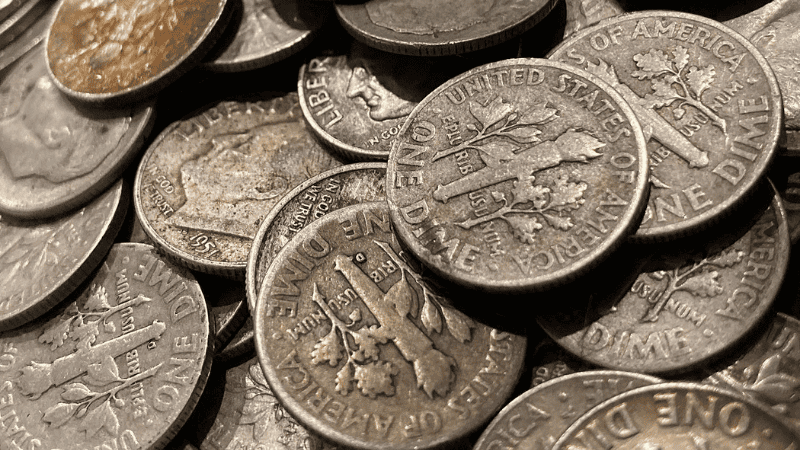
So, what is constitutional silver? In simple terms, it usually means pre-1965 U.S. dimes, quarters, and half dollars that contain 90% silver. These coins circulated as money before the United States removed silver from most everyday coinage. Today, they remain popular with buyers who want tangible silver in recognizable, smaller denominations. They appeal to people interested in hard assets, historical money, and long-term wealth preservation.
What is constitutional silver exactly? The term is most commonly used to describe U.S. coins minted for circulation that contained silver under the original constitutional framework for money and coinage. In practical precious metals terms, it usually refers to 90% silver dimes, quarters, and half dollars minted in 1964 or earlier.
The most common examples include:
These coins are often traded based more on their silver content than on individual collector value, although some dates and conditions can carry numismatic premiums. That is why buyers should understand whether they are purchasing constitutional silver primarily for bullion value, collectibility, or both.
The phrase “constitutional silver” comes from the idea that silver and gold once played a formal role in American money. Over time, the term has become shorthand in the bullion world for older U.S. silver coinage that circulated as money before the transition to modern clad coins.
Some buyers like the term because it emphasizes the historical connection between precious metals and everyday currency. Others prefer the more practical terms “90% silver” or “pre-1965 silver coins.” You will also hear the term “junk silver,” which can be misleading to new buyers. These coins are not junk in the ordinary sense. The name simply means they are usually traded for metal content rather than for rare-date collector value.
Constitutional silver continues to appeal to buyers for a few important reasons. First, it is recognizable. Even people who are not deep into precious metals often recognize old dimes, quarters, and half dollars. That familiarity creates a sense of confidence that some modern bullion products do not immediately have for beginners.
Second, constitutional silver offers divisibility. A person does not need to buy a large silver bar or a full tube of one-ounce rounds to get started. Small-denomination silver coins can make it easier to accumulate over time, sell in smaller increments, or hold a more flexible mix of silver assets.
Third, constitutional silver carries historical character. These coins were once part of everyday commerce, which gives them a unique appeal compared to generic bullion. For some buyers, that history is part of the attraction. For others, it is mainly about the silver content. Either way, constitutional silver sits in a useful middle ground between modern bullion and more specialized numismatic collecting.
New buyers often wonder whether constitutional silver is better than modern silver bullion. The better way to think about it is that they serve slightly different preferences.
Modern silver bullion usually includes products such as one-ounce silver rounds, bars, and sovereign-minted bullion coins. These products are often simpler to price because their silver content is straightforward and clearly marked. They may also look cleaner and feel more standardized for stacking or storage.
Constitutional silver is different. Its value is often discussed by face value and estimated silver content rather than by one-ounce labeling. Bags of 90% silver coins are typically sold according to their face value, such as $100 face value or $1,000 face value, with the silver content understood through standard calculations. This gives constitutional silver a slightly different buying experience.
For many buyers, the best choice comes down to goals. If someone wants modern, highly uniform silver products, bullion rounds or bars may be more appealing. If someone values recognizability, fractional flexibility, and historical U.S. coinage, constitutional silver may be a better fit.
One thing that surprises beginners is that constitutional silver is not usually priced in the same way as a modern one-ounce coin. Because these coins were minted for circulation, they are often bought and sold based on face value multiplied by a market rate.
For example, a dealer might quote constitutional silver at a certain multiple of face value. That multiple reflects the silver price, dealer premium, market demand, and the fact that circulated 90% silver coinage contains a known approximate amount of silver per dollar of face value. Buyers do not need to memorize every calculation immediately, but they should understand that pricing is tied both to spot silver and to the specific market for 90% silver coins.
This is one reason why education matters. A new buyer who understands face value pricing, premiums, and silver content will shop more confidently and compare products more accurately.
For many buyers, constitutional silver can play a useful role in a broader wealth-preservation strategy. It is still silver, after all, and silver has long been valued as a tangible hard asset outside purely paper-based financial systems. Constitutional silver simply offers that exposure in an older, widely recognized format.
That said, buyers should stay realistic. Constitutional silver is not magic, and it is not automatically the best choice for every goal. It can sometimes carry higher premiums than generic silver products, especially during periods of strong retail demand. Condition, wear, and market availability can also affect pricing. Still, for people who value divisibility, historical familiarity, and small-unit silver ownership, constitutional silver can make a lot of sense.
The strongest approach is usually to understand why you are buying it. If the goal is maximum ounces for the lowest premium, other silver products may sometimes be better. If the goal is a practical, recognizable form of silver with historical identity, constitutional silver is often compelling.
In everyday dealer language, constitutional silver usually includes these circulated U.S. coins minted in 1964 and earlier:
Some buyers also broaden the discussion to include silver dollars and other historic U.S. coinage, but the most common bullion-style constitutional silver market centers on 90% dimes, quarters, and half dollars.
It is also worth knowing what usually does not count in the same way:
Understanding these distinctions helps prevent beginner mistakes.
Part of the appeal of constitutional silver is that it reminds buyers that silver was once part of daily money. These coins were not niche products created only for collectors. They were used in ordinary transactions, saved in jars, carried in pockets, and exchanged across the country. That history gives constitutional silver a connection to the older monetary role of precious metals.
For Veldt readers, that historical dimension matters. Precious metals are not only speculative assets or products on a website. They are part of a much longer story about money, trust, scarcity, and durable value. Constitutional silver is one of the easiest ways to hold a piece of that story in a practical format.
For many people, yes. Constitutional silver can be an excellent starting point because it is easy to understand once the basics click. A new buyer can begin with a small amount, learn how premiums work, become familiar with older U.S. coinage, and build confidence without needing to jump immediately into larger bullion purchases.
The key is buying from a trustworthy source and knowing whether you are paying for silver value, collector value, or both. Beginners do best when they focus on education first. Learn the common coin types, understand pre-1965 dating, compare premiums, and ask clear questions. Once you do that, constitutional silver becomes much less intimidating.
Constitutional silver offers something many modern precious metals products do not: a direct link between real silver and the history of everyday American money. It is recognizable, divisible, and practical, which is why it continues to attract both new and experienced buyers.
If you have been wondering what is constitutional silver, the short answer is that it usually means pre-1965 U.S. 90% silver dimes, quarters, and half dollars. The longer answer is that these coins still matter because they combine silver content with historical trust and real-world familiarity. For buyers interested in tangible assets and long-term wealth preservation, constitutional silver remains worth understanding.
Constitutional silver usually refers to pre-1965 U.S. dimes, quarters, and half dollars that contain 90% silver and were once used as everyday circulating money.
Often, yes. In the bullion market, “junk silver” usually refers to circulated 90% U.S. silver coins valued mainly for silver content rather than collector rarity. The term sounds negative, but it does not mean the coins are worthless.
People buy constitutional silver because it is recognizable, divisible, historically interesting, and tied to real silver content. It can also be a practical way to own silver in smaller denominations.
In most cases, constitutional silver means U.S. dimes, quarters, and half dollars minted in 1964 and earlier, when those coins still contained 90% silver.
Not necessarily better, just different. Constitutional silver may appeal more to buyers who want smaller denominations and historical U.S. coinage, while modern bullion may appeal more to buyers who want simple, clearly marked silver products.

JAMES HARGROVE - Precious Metals Specialist
James brings over 14 years of experience in the precious metals industry, specializing in gold and silver bullion markets. He has an in-depth knowledge of market pricing, coin grading, and the factors that drive spot price movements. James advises Veldt’s customers on building a balanced physical metals portfolio and ensures every transaction reflects fair, real-time market value. When he’s not analyzing the markets, he is an avid collector of rare pre-1933 U.S. gold coins.
When most people think of precious metals, gold and silver come to mind. But two
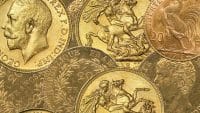
Among the most popular historic European gold coins are the British Sovereign and the French

Precious metals are high-value items that attract theft if mishandled during transit. Whether you are

Buying gold and silver is a time-tested way to protect wealth, but scams are just
|
Gold: 4,788.62 | Silver: 78.90 | Platinum: 2,072.73 | Palladium: 1,542.06 |