
How To Store Silver Coins And Bullion Safely
Learn how to store silver coins and bullion safely, including tips for handling, organizing, documenting, and protecting silver at home or in secure storage.
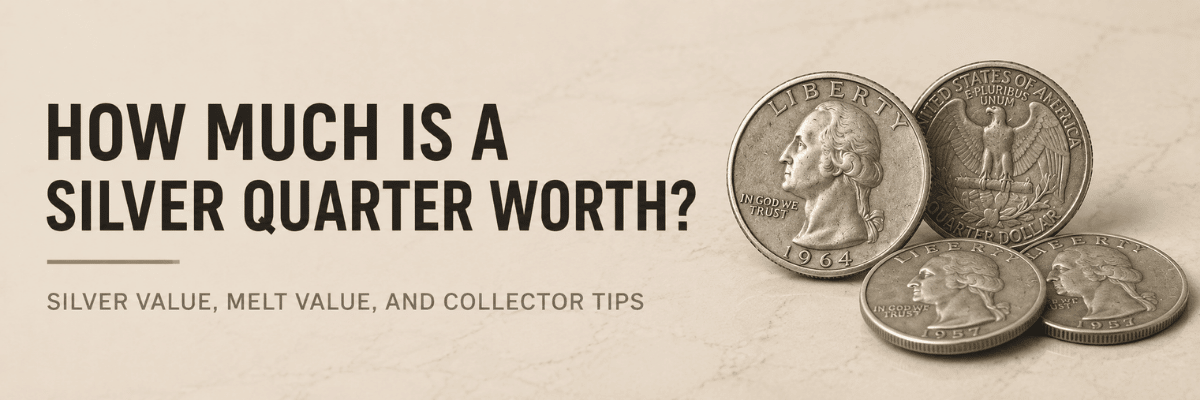
A silver quarter is worth more than 25 cents because U.S. quarters dated 1964 and earlier contain 90% silver. Its value depends on silver spot price, condition, date, mint mark, and collector demand.
A silver quarter is worth more than 25 cents because it contains real silver. For most beginners, the main silver quarters to look for are U.S. quarters dated 1964 and earlier. These coins were made with 90% silver, so their value depends on more than the face value stamped on the coin.
If you are asking how much is a silver quarter worth, the answer depends on several factors. The most important are the current silver spot price, the coin’s silver content, its condition, the date, the mint mark, and whether the coin has collector value beyond its metal content.
This guide explains how silver quarter value works, what silver melt value means, why 1964 quarters matter, and how to think about old silver quarters compared with modern silver bullion.
A silver quarter is usually worth more than its 25-cent face value because of the silver inside the coin. U.S. quarters dated 1964 and earlier were generally made with 90% silver and 10% copper, which gives them intrinsic metal value.
The exact value changes with the silver market. When silver spot price rises, the melt value of a common silver quarter usually rises too. When silver spot price falls, the melt value may fall. That is why silver quarter value is not fixed like regular pocket change.
To estimate value, buyers often compare the coin’s silver content against current market references such as published precious metals price data. However, melt value is only one part of the picture. Some quarters may also have collector value based on date, mint mark, rarity, and condition.
The year 1964 matters because it was the last regular year for 90% silver U.S. quarters. In 1965, the United States Mint removed silver from the quarter and changed the composition to copper-nickel clad. That makes the date one of the easiest clues for beginners.
If a U.S. quarter is dated 1964 or earlier, it may be worth setting aside and evaluating. If it is dated 1965 or later, it is usually a regular clad quarter for normal circulation, unless it is a special issue, proof, error, or unusual coin that needs expert review.
You can review the official United States Mint quarter history for the transition from silver quarters to copper-nickel clad quarters. For most people sorting old coins, the simple rule is useful: 1964 and earlier deserves a closer look.
Silver melt value is the value of the silver content inside a coin. It does not mean the coin should actually be melted. Instead, it is a pricing concept that helps buyers and sellers estimate what the metal itself is worth.
For common silver quarters, melt value is often the starting point. A circulated 90% silver quarter may not be rare, but it still contains silver. Because of that, the coin can be worth more than 25 cents even when it has no major collectible premium.
To estimate melt value, you need the silver content and the current silver price. The basic idea is simple: silver content multiplied by silver spot price equals estimated melt value before dealer spreads, premiums, and market adjustments.
A standard 90% silver Washington quarter contains silver because the coin was made from a 90% silver and 10% copper alloy. APMEX explains that a 1964 Washington quarter weighs 6.25 grams and contains 5.625 grams of silver before accounting for circulation wear.
In troy-ounce terms, that is a little under one-fifth of a troy ounce of silver. This is why older quarters can add up quickly. One silver quarter may not look like much, but a small group of silver quarters can represent a meaningful amount of silver content.
Wear can slightly reduce the actual silver content of heavily circulated coins. For common circulated junk silver, buyers often think in terms of face value groups, such as $1, $10, or $100 face value, rather than weighing every single coin individually.
The biggest factor for most common silver quarters is the silver spot price. Since the coin contains silver, its base value usually moves with the silver market. Higher spot prices usually support higher melt values, while lower spot prices reduce melt value.
Condition also matters. A heavily worn common-date silver quarter may trade close to melt value, while an uncirculated or high-grade example may be worth more to collectors. Date and mint mark can also matter because some coins are scarcer than others.
Demand plays a role too. When more people want junk silver, silver quarters may sell for a premium above melt value. When demand cools, premiums may tighten. That is why two silver quarters with similar metal content may not always sell for the exact same price in the real market.
Yes. A 1964 quarter is generally worth more than 25 cents because it contains 90% silver. It may not be rare in ordinary circulated condition, but the silver content alone usually gives it value above face value.
That does not mean every 1964 quarter is worth a fortune. Many are common silver coins valued mainly for metal content. Still, spending one as ordinary change would usually be a mistake because the silver inside the coin can make it worth more than its face value.
If you find a 1964 quarter, set it aside. Check the condition, look for a mint mark, and compare it with current silver pricing before deciding whether to keep, sell, or add it to a broader silver position.
Silver quarters can be both collectible coins and bullion-related silver. The difference depends on the specific coin. A common circulated Washington quarter may be valued mostly for silver content. A scarcer date, better condition coin, or unusual variety may have collector value beyond melt.
This is why it is important not to clean silver quarters. Cleaning can damage the surface and reduce collector appeal. Even if the coin is common, cleaning rarely helps and can make the coin less desirable to buyers.
If you have a large group of common circulated silver quarters, they may be treated as junk silver. If you have older designs, sharp details, unusual dates, or coins in excellent condition, it may be worth getting a more careful evaluation before selling them as ordinary silver.
Start with the date. If the quarter is dated 1964 or earlier, it may be a silver quarter. Then check the condition, mint mark, and overall appearance. Avoid cleaning the coin, even if it looks dirty.
Next, compare the silver content against the current silver spot price. This gives you a rough melt-value baseline. From there, consider whether the coin might have additional collector value because of its date, mint mark, condition, or variety.
Finally, remember that retail prices, dealer buy prices, and melt values are not always the same. A dealer must account for market movement, resale risk, verification, and business costs. If you are selling silver quarters, compare offers and understand whether the quote is based on melt value, face value, or collector value.
Silver quarters are a familiar way to own fractional silver. They are recognizable U.S. coins, and many buyers like them because they feel practical and easy to understand. However, they are not the only way to own silver.
Silver rounds and bars are often easier to compare by weight, purity, and premium. Government silver coins may carry stronger recognition but can cost more over spot. Junk silver quarters can be useful, but pricing depends on market demand, availability, and the premium buyers are willing to pay.
If you already have silver quarters, they may be worth holding as part of your silver position. If you are planning new purchases, compare silver quarters with silver rounds, bars, and bullion coins to decide which product gives you the best balance of cost, liquidity, and convenience.
The answer to how much is a silver quarter worth depends on silver spot price, silver content, condition, date, mint mark, and demand. Most common 1964 and earlier quarters are worth more than face value because they contain 90% silver.
For beginners, the most important lesson is the difference between face value and metal value. A silver quarter still says 25 cents, but the silver inside can make it worth more than that. This same idea applies across gold, silver, platinum, and palladium products.
At Veldt, customers can buy gold, silver, platinum, and palladium online with secure checkout, including supported cryptocurrencies. Whether you are evaluating a few old quarters or building a larger bullion position, understanding value helps you make better precious metals decisions.
A silver quarter is worth more than 25 cents because U.S. quarters dated 1964 and earlier contain 90% silver. The exact value depends on silver spot price, condition, date, mint mark, and demand.
Yes. A 1964 quarter is generally worth more than 25 cents because it contains 90% silver. Its value changes with silver prices and may increase if the coin has collector demand.
Silver quarter melt value is the estimated value of the silver content inside the coin. It is calculated using the coin’s silver content and the current silver spot price.
No. You should not clean a silver quarter before selling it. Cleaning can damage the surface and may reduce collector value or make the coin less attractive to buyers.
Silver quarters and silver bullion serve different purposes. Silver quarters offer recognizable fractional silver, while rounds, bars, and bullion coins may be easier to compare by weight, purity, and premium.
Learn how to store silver coins and bullion safely, including tips for handling, organizing, documenting, and protecting silver at home or in secure storage.
Compare silver bars and silver coins so you can understand premiums, storage, resale, liquidity, and which silver option may fit your buying goals.
Learn the difference between silver coins and silver rounds, including legal tender status, premiums, recognizability, resale, and which option may fit your silver buying goals.
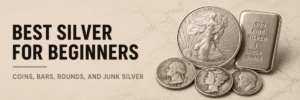
Learn the best silver for beginners, including silver coins, bars, rounds, and junk silver, so you can choose a first purchase with confidence.
Now that you understand more about precious metals, Veldt can help you take the next step. Buy gold and silver online, use supported cryptocurrencies at secure checkout, or contact us for local help choosing the right bullion for your goals.
|
Gold: 4,686.77 | Silver: 88.00 | Platinum: 2,169.49 | Palladium: 1,506.86
|