
How To Store Silver Coins And Bullion Safely
Learn how to store silver coins and bullion safely, including tips for handling, organizing, documenting, and protecting silver at home or in secure storage.
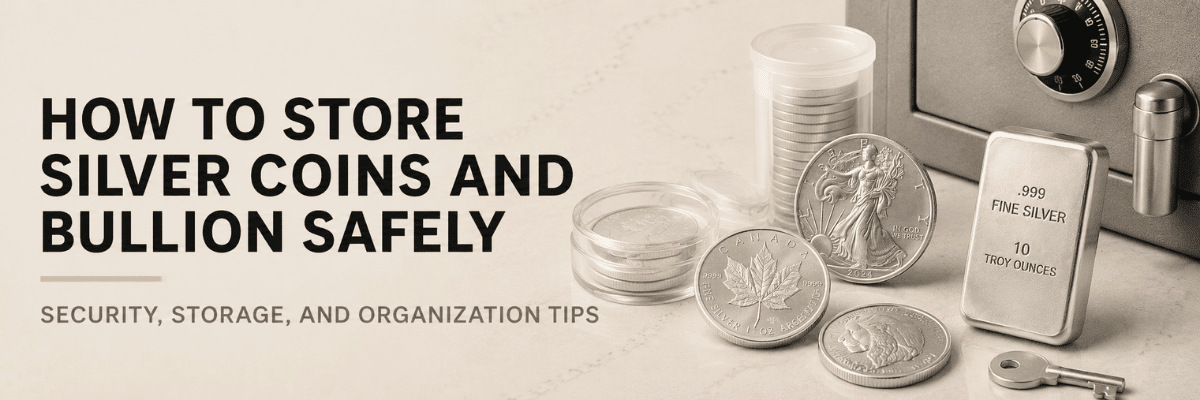
Store silver coins and bullion in a dry, secure, organized location. Use tubes, capsules, sleeves, labeled containers, or safe storage depending on the product type, and keep records of what you own, where it is stored, and what you paid.
Silver is durable, but that does not mean it should be tossed in a drawer and forgotten. A few coins may be easy to manage, but once your holdings grow into tubes, bars, rounds, or bags of junk silver, storage becomes part of your precious metals strategy. The goal is not just to hide your silver. The goal is to keep it secure, organized, identifiable, and easy to access when you actually need it.
If you are learning how to store silver coins and bullion, start with four priorities: protect the metal from unnecessary damage, keep it away from moisture and harsh environments, organize it so you know what you own, and secure it against theft or loss.
This guide explains how to store silver coins, bars, rounds, and junk silver safely, whether you are keeping a small beginner stack at home or planning a more serious long-term storage system.
Physical silver is a bearer asset. Whoever controls the metal controls the value. That makes storage different from managing a bank balance, brokerage account, or digital wallet. If silver is lost, stolen, damaged, or poorly documented, recovering value can become difficult.
Silver also takes up more space than gold for the same dollar value. A modest silver purchase may fit in one tube or small box. A larger position can become heavy, bulky, and harder to move. That is why a casual storage plan can become a problem over time.
Good storage helps you avoid confusion later. You should know what products you own, how much silver they contain, what you paid, and where everything is located. A clean system makes selling, insuring, inheriting, or adding to your stack much easier.
Moisture is one of the main storage issues for silver. Silver does not rust like iron, but it can tarnish, spot, or react with certain materials over time. A dry, stable environment is better than a damp garage, shed, bathroom cabinet, or poorly sealed storage area.
Try to avoid major swings in temperature and humidity. Silver stored in a clean indoor location is usually easier to protect than silver stored in a hot attic or damp basement. If you live in a humid area, consider using desiccant packs inside storage containers, especially for coins or bars you want to keep in better condition.
Tarnish does not automatically destroy silver value, especially for common bullion. Still, cleaner storage helps preserve appearance, packaging, and resale appeal. It also prevents unnecessary uncertainty when you later inspect or sell the metal.
Silver coins should be stored in a way that prevents scratching, unnecessary handling, and confusion. For common bullion coins, tubes are often practical. A tube keeps coins together, protects edges, and makes counting easier.
Individual capsules can be useful for coins you want to keep in better condition. Capsules are more expensive and take up more space, but they can help protect higher-premium coins from fingerprints, scratches, and contact marks.
For collectible coins, avoid cheap soft plastic holders that may contain harmful materials. If a coin may have numismatic value, use proper coin-safe storage and avoid touching the surface. Hold coins by the edges when possible, and do not clean them before storing.
Silver bars are usually easier to stack than coins or rounds. That is one reason buyers like them for larger silver positions. A few ten-ounce bars can be stored neatly in a small container, while larger bars can be grouped by size and mint.
Keep bars dry and separated enough to avoid unnecessary scratching if appearance matters to you. Common bullion bars are often valued mainly for weight and purity, so light handling marks may not matter much. However, clean storage still helps with presentation and resale confidence.
If you own bars from different mints or refiners, label them clearly. Record the weight, purity, mint, serial number if present, and purchase details. This makes it easier to verify and sell them later.
Silver rounds are often stored like bullion coins. Tubes work well for standard one-ounce rounds, especially when you have multiple pieces of the same size. Tubes make it easier to count, stack, and move rounds without handling each one individually.
If you have premium rounds, limited designs, or pieces you want to keep clean, individual capsules may be worthwhile. For generic rounds, tubes or labeled containers are usually enough.
Keep private mint rounds organized by mint, design, weight, and quantity. Some rounds are easier to identify than others, so documentation helps prevent confusion when comparing offers or selling later.
Junk silver needs organization more than perfection. Common 90% silver dimes, quarters, and half dollars are often valued by face value, silver content, and condition. If you mix everything together, it becomes harder to count and price later.
Separate junk silver by denomination. Keep dimes with dimes, quarters with quarters, and half dollars with half dollars. If you have better-date coins, older designs, or cleaner examples, keep those separate until you know whether they have collector value.
Small bags, tubes, or labeled containers can all work. Include the denomination, estimated face value, and any notes about dates or condition. A bag labeled “90% silver quarters, $10 face value” is much easier to manage than a random pile of mixed coins.
Do not clean silver coins before storage. Cleaning can scratch the surface, remove natural toning, and reduce collector appeal. This is especially important for older coins, junk silver with possible numismatic value, and government coins with premium value.
For bullion bars and rounds, cleaning is usually unnecessary too. Fingerprints, oils, and polishing attempts can create more problems than they solve. If you want to keep pieces clean, handle them less and store them properly from the beginning.
Normal tarnish is not the same as damage. In many cases, the safest move is to leave silver alone, keep it dry, and store it in a stable container.
For smaller holdings, home storage may be practical. A quality safe can help, but the safe itself should be part of a broader security plan. A small, lightweight safe that can be carried away may not provide much real protection.
Consider fire resistance, weight, anchoring, concealment, and who knows where the silver is stored. The fewer people who know about your metals, the better. Avoid casual conversations about your holdings, especially online or around people who do not need to know.
Do not store everything in the most obvious place. A predictable hiding spot can be worse than a properly secured safe. Your goal is to balance access, privacy, security, and common sense.
Once your silver position becomes meaningful, storing everything in one place may create unnecessary risk. Some buyers use a split-storage approach. They keep a practical amount accessible and store the rest in another secure location.
Split storage can reduce the impact of theft, fire, loss, or access problems. However, it also requires better records. If you divide your silver between locations, your inventory needs to show what is stored where.
There is no perfect storage structure for everyone. A small buyer may only need a home safe. A larger buyer may consider private vaulting, insured storage, or a combination of home and off-site storage.
An inventory is one of the most overlooked parts of silver storage. You should know what you own without opening every tube, bag, or box. A simple spreadsheet, notebook, or secure document can save time and prevent mistakes.
Track the product type, weight, quantity, mint or brand, purchase date, purchase price, storage location, and any serial numbers. For junk silver, track denomination and face value. For bars, note size and refiner. For coins, note mint, year, and quantity if relevant.
Keep your inventory private. If you store it digitally, protect it. If you keep paper records, store them securely. Your inventory should help you manage your metals without creating an unnecessary security risk.
Security is important, but so is responsible access. If something happens to you, a trusted person should be able to locate and understand your holdings. Otherwise, metals can be lost, overlooked, or sold for less than they are worth.
This does not mean telling everyone where your silver is stored. It means creating a sensible plan for a spouse, executor, trusted family member, or attorney. The right person should know enough to access records and avoid mistakes.
Estate planning is especially important for physical assets. A clear inventory, purchase records, and basic instructions can help your family avoid confusion during a stressful time.
One common mistake is mixing everything together. Coins, rounds, bars, and junk silver should be organized by type. Mixed storage makes counting, pricing, and selling harder than it needs to be.
Another mistake is poor discretion. Precious metals are private assets. Talking openly about where they are stored or how much you own can create risk. Keep details limited to people who genuinely need to know.
A third mistake is forgetting documentation. Without records, you may not remember what you paid, where something came from, or how much silver you actually own. Good storage is physical and administrative. You need both.
The best way to store silver is to keep it dry, secure, organized, and documented. Coins may belong in tubes or capsules. Bars may be stacked and labeled. Rounds can be kept in tubes or containers. Junk silver should be separated by denomination and face value.
Your system does not need to be complicated, but it should be intentional. Protect the metal, protect your privacy, and make sure you can verify what you own without creating unnecessary risk.
At Veldt, customers can buy silver, gold, platinum, and palladium online with secure checkout, including supported cryptocurrencies. Whether you are buying your first silver round or building a larger bullion position, safe storage helps preserve the value and usefulness of your precious metals over time.
The best way to store silver coins and bullion is in a dry, secure, organized location. Use coin tubes, capsules, sleeves, labeled containers, safes, or secure storage depending on the product type and value.
Silver coins can be stored in proper coin-safe tubes, capsules, or holders. Avoid cheap soft plastics that may contain harmful materials, especially for collectible or higher-premium coins.
Yes, silver bars can be stored together, especially when they are common bullion bars. Keep them dry, organized, and labeled by weight, mint, and quantity. Separate higher-premium bars if condition matters.
No. You should not clean silver coins or bullion before storing them. Cleaning can scratch coins, remove toning, and reduce collector appeal. Proper storage is better than polishing or cleaning.
A home safe can be useful for smaller silver holdings, especially if it is heavy, anchored, discreet, and fire resistant. Larger holdings may require split storage, private vaulting, or another secure plan.
Learn how to store silver coins and bullion safely, including tips for handling, organizing, documenting, and protecting silver at home or in secure storage.

Compare silver bars and silver coins so you can understand premiums, storage, resale, liquidity, and which silver option may fit your buying goals.

Learn the difference between silver coins and silver rounds, including legal tender status, premiums, recognizability, resale, and which option may fit your silver buying goals.

Learn the best silver for beginners, including silver coins, bars, rounds, and junk silver, so you can choose a first purchase with confidence.
Now that you understand more about precious metals, Veldt can help you take the next step. Buy gold and silver online, use supported cryptocurrencies at secure checkout, or contact us for local help choosing the right bullion for your goals.
|
Gold: 4,700.51 | Silver: 87.05 | Platinum: 2,146.16 | Palladium: 1,501.39
|