
Silver Dimes Years: What Year Dimes Are Silver?
Learn which silver dime years to look for, why 1964 and earlier U.S. dimes matter, and how old silver dimes can be worth more than
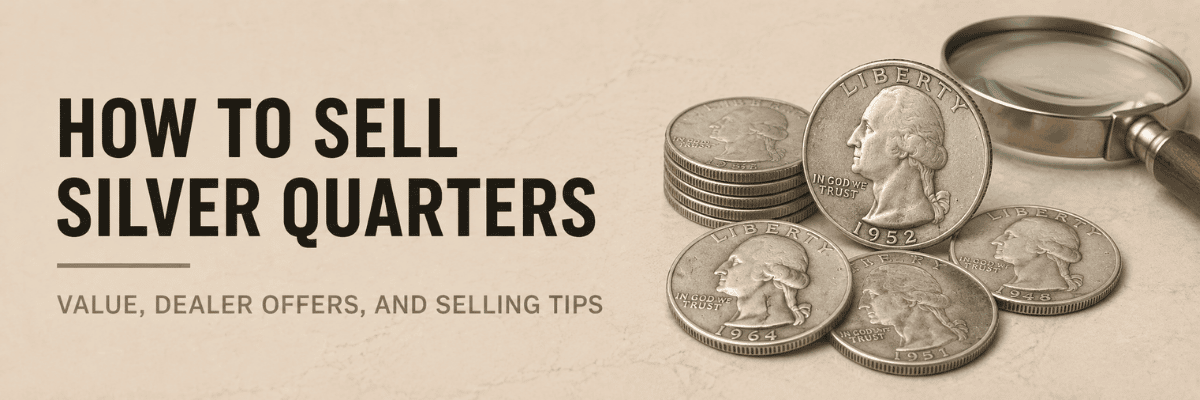
To sell silver quarters for the best price, confirm the dates, separate 1964 and earlier quarters, estimate silver melt value, avoid cleaning the coins, and compare offers from reputable coin or bullion dealers.
Selling silver quarters can be simple, but it should not be rushed. A handful of old quarters may look like pocket change, yet U.S. quarters dated 1964 and earlier can be worth more than face value because they contain 90% silver. Before you accept an offer, it helps to understand what you have, how silver value is estimated, and how dealers think about pricing.
If you want to know how to sell silver quarters for the best price, start with the basics: identify the dates, separate silver coins from regular clad quarters, avoid cleaning anything, and compare offers from reputable coin or bullion dealers. The goal is not just to sell quickly. The goal is to sell with enough information to recognize a fair offer.
This guide explains where silver quarter value comes from, how to prepare coins before selling, what questions to ask a dealer, and when it may make sense to hold your silver quarters instead of selling them right away.
The first step is sorting. Most sellers should begin by separating quarters dated 1964 and earlier from quarters dated 1965 and later. According to the United States Mint quarter history, silver was removed from the quarter in 1965, and the composition changed to copper-nickel clad.
That makes 1964 and earlier the easy date range to check first. These older quarters are commonly treated as 90% silver coins. Most 1965 and later quarters are ordinary clad coins, although unusual errors, proofs, and special issues may need expert review.
If your coins came from an estate, old jar, safe, or inherited collection, do not assume everything should be sold by metal value. Some coins may deserve a closer look because of date, mint mark, condition, or collector demand. A common circulated silver quarter may trade mainly for silver content, but a better-date or high-grade coin may be worth more.
One of the most common mistakes sellers make is cleaning old coins before showing them to a dealer. It may seem helpful, especially if the coins look dark, dirty, or tarnished. In reality, cleaning can damage the surface and make the coins less attractive to collectors.
Even if a silver quarter is mostly valued for its metal content, cleaning usually does not improve the offer. If the coin has any collectible value, cleaning can hurt it. Leave the coins as they are, handle them carefully, and let the buyer evaluate the original condition.
If you want to organize them, place the quarters in small bags, coin tubes, or labeled containers. Sort by denomination and date range if possible. Keep the coins dry and avoid rubbing them against each other more than necessary.
Melt value is the estimated value of the silver inside the coin. It is not always the exact price a dealer will pay, but it gives you a useful baseline. If you know the approximate melt value, you can better understand whether an offer is reasonable.
Silver quarter melt value depends on the current silver price. Because silver moves throughout the market day, values can change. Before selling, check a reputable silver market reference, such as precious metals price data, so you understand the general market environment.
Remember that melt value and dealer buy price are not identical. A dealer has to account for verification, market risk, resale costs, and profit margin. The question is not whether a dealer pays the exact melt value every time. The question is whether the offer makes sense relative to the current silver price, the coins’ condition, and the quantity you are selling.
A good dealer should be able to explain the offer in plain language. Some dealers price junk silver by face value. Others may quote a price per coin, per dollar of face value, or as a percentage of melt value. The format can vary, so ask how the number was calculated.
For example, if you bring in 40 silver quarters, that is $10 face value in quarters. A dealer may quote based on the total face value of 90% silver coins rather than giving a separate price for each quarter. This can be normal in the junk silver market, but you should still understand the math.
If a quote sounds confusing, ask the dealer to walk through it. You are not being difficult by asking. You are making sure you understand whether the offer is based on silver content, collectible value, market demand, or a combination of those factors.
If you have only a few common silver quarters, driving all over town may not be worth the effort. But if you have a meaningful quantity, a larger estate group, or coins that may have collector value, comparing offers can help.
Different buyers may have different demand. One dealer may need junk silver inventory and make a stronger offer. Another may be focused on collectible coins and evaluate dates more carefully. A third may simply quote a standard buy price based on silver content.
When comparing offers, make sure each buyer is quoting on the same basis. One offer may sound higher but include different assumptions. Ask whether the quote is for all coins together, only the common silver quarters, or only certain dates and conditions.
Most coin and bullion transactions are straightforward, but sellers should still be careful. Be cautious if someone pressures you to decide immediately, refuses to explain the pricing, avoids weighing or counting the coins clearly, or gives vague answers about how the offer was calculated.
Precious metals can attract dishonest actors. The CFTC warns that precious metals fraud can involve inflated pricing, high commissions, and misleading sales tactics. Sellers should be especially careful with pressure-based offers, unclear valuations, or anyone who tries to rush the transaction. You can review the CFTC’s guidance on precious metals frauds before buying or selling metals.
A reputable buyer should be willing to explain the process, answer questions, and give you space to make a decision. If something feels off, you can pause, get a second opinion, or walk away.
You can sell silver quarters to coin shops, bullion dealers, precious metals buyers, certain pawn or jewelry businesses, online marketplaces, or private buyers. Each option has tradeoffs.
A coin or bullion dealer is often the simplest route because they understand silver content, junk silver pricing, and resale demand. A local sale can also be useful if you want a face-to-face evaluation and immediate explanation. Online marketplaces may offer more exposure, but they can add shipping risk, fees, buyer disputes, and extra work.
Private sales may sometimes bring a stronger price, but they require more caution. You need to think about personal safety, payment finality, authenticity concerns, and whether the buyer understands what they are purchasing. For many sellers, a reputable local dealer is the cleaner path.
There is no one right answer. If you need cash, want to simplify an estate, or do not plan to hold silver, selling may make sense. If you view silver quarters as part of your long-term precious metals position, holding may be the better choice.
Silver quarters can be practical because they are fractional, recognizable, and easy to divide into smaller amounts. However, they still move with the silver market, and premiums can change. If silver prices are strong or demand for junk silver is high, offers may improve. If the market is weak, you may decide to wait.
Before selling everything, consider your reason for owning the coins. Are they extra clutter, inherited items you do not want, or part of your silver savings? That answer matters more than trying to guess the perfect market day.
Before visiting a dealer, separate the obvious silver quarters from modern clad quarters. Keep 1964 and earlier quarters together. If you have older designs, unusual dates, or coins in better condition, keep those separate too.
Count the coins or estimate the face value. If you have 40 silver quarters, that equals $10 face value in quarters. If you have 80 silver quarters, that equals $20 face value. Knowing this helps you follow the dealer’s math when they explain the offer.
Bring any original packaging, notes, receipts, or estate information if you have it. Do not worry if you do not. Most common silver quarters can still be evaluated by date, condition, count, and silver market value.
The best way to sell silver quarters is to slow down, identify the coins, estimate the silver value, and compare offers from reputable buyers. Do not clean the coins, do not accept pressure tactics, and do not assume every old quarter should be priced the same way.
Most common silver quarters are valued mainly for their metal content, but some coins may have additional collector value. That is why date, condition, mint mark, and market demand all matter. A fair buyer should be able to explain how those factors affect the offer.
At Veldt, customers can buy and sell precious metals with a focus on clear pricing, professional service, and secure transactions. Whether you are evaluating a few silver quarters or a larger silver position, understanding the process helps you make a better decision before you sell.
To sell silver quarters, separate quarters dated 1964 and earlier, avoid cleaning them, estimate their silver melt value, and compare offers from reputable coin or bullion dealers.
A reputable coin shop or bullion dealer is often the best place to sell silver quarters because they understand junk silver pricing, silver content, and current market demand.
No. You should not clean silver quarters before selling them. Cleaning can damage the surface and may reduce collector value or make the coins less attractive to buyers.
Silver quarters may be quoted by coin, by total face value, or as a percentage of melt value. Ask the dealer how the offer is calculated so you understand the pricing.
The choice depends on your goals. Selling may make sense if you want cash or are simplifying an estate, while holding may make sense if you want fractional silver as part of a long-term precious metals position.
Learn which silver dime years to look for, why 1964 and earlier U.S. dimes matter, and how old silver dimes can be worth more than
A practical case study on how a crypto trader could use precious metals to preserve gains, reduce volatility exposure, and build long-term wealth outside digital
Learn how to store silver coins and bullion safely, including tips for handling, organizing, documenting, and protecting silver at home or in secure storage.
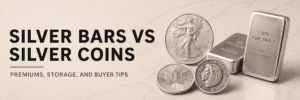
Compare silver bars and silver coins so you can understand premiums, storage, resale, liquidity, and which silver option may fit your buying goals.
Now that you understand more about precious metals, Veldt can help you take the next step. Buy gold and silver online, use supported cryptocurrencies at secure checkout, or contact us for local help choosing the right bullion for your goals.
|
Gold: 4,483.36 | Silver: 74.84 | Platinum: 1,932.31 | Palladium: 1,365.04
|