
How To Store Silver Coins And Bullion Safely
Learn how to store silver coins and bullion safely, including tips for handling, organizing, documenting, and protecting silver at home or in secure storage.
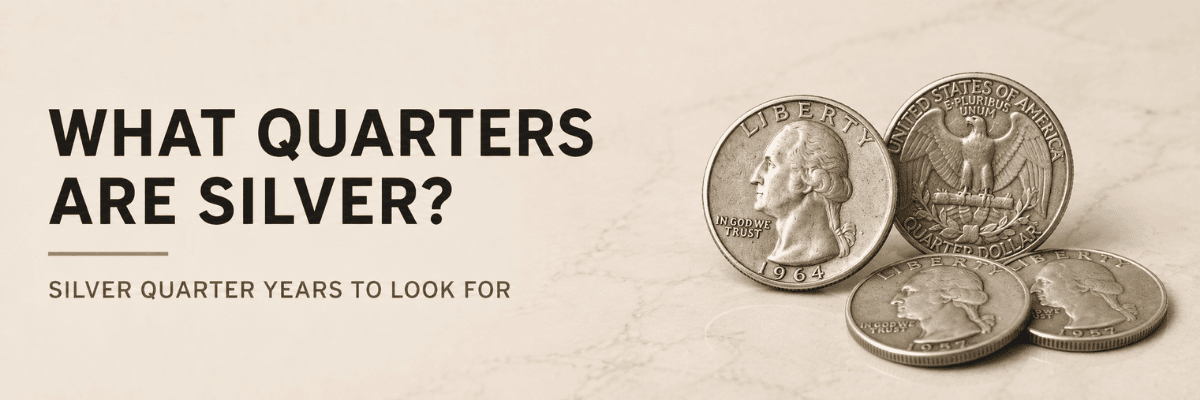
U.S. quarters dated 1964 and earlier are generally 90% silver. Most quarters dated 1965 and later are copper-nickel clad and do not contain silver for normal circulation.
If you are sorting old change, checking inherited coins, or searching through a roll of quarters, one question matters most: what quarters are silver? In general, U.S. quarters dated 1964 and earlier are the silver quarters most beginners should look for. These coins were made with 90% silver, which means they can be worth more than their 25-cent face value.
Most quarters dated 1965 and later are not silver for normal circulation. In 1965, the United States Mint removed silver from the quarter and changed the composition to copper-nickel clad. That change is why the date on a quarter is one of the easiest ways to decide whether a coin deserves a closer look.
This guide explains what years of quarters are silver, how to identify silver quarters, what “junk silver” means, and when it makes sense to compare old silver quarters with modern silver bullion.
U.S. quarters dated 1964 and earlier are generally the silver quarters beginners should look for. These quarters were made with 90% silver and 10% copper, which gives them value beyond the 25 cents stamped on the coin.
The most common silver quarters people find are Washington quarters from 1932 through 1964. Earlier quarter designs can also contain silver, but Washington quarters are usually the ones newer collectors and silver buyers encounter first because they were produced in large numbers and still appear in old collections.
According to the United States Mint quarter history, silver was removed from the quarter in 1965, and the coin became copper-nickel clad. That makes 1964 an important cutoff year for anyone searching for silver quarters.
The easiest rule is this: quarters dated 1964 and earlier are usually silver, while most quarters dated 1965 and later are not silver for normal circulation.
For most beginners, the main silver quarter years to remember are 1932 through 1964. Those are the regular-issue Washington quarters that contained 90% silver. If you see a quarter from 1964, 1963, 1962, or any earlier date, set it aside and evaluate it separately from ordinary pocket change.
Older quarter designs, such as Standing Liberty quarters and Barber quarters, are also silver. These coins are less likely to show up in everyday change, but they may appear in inherited collections, estate lots, or older coin jars. If you find one, do not clean it. Keep it separate until you can check its date, condition, and possible collector value.
Yes. A 1964 U.S. quarter is generally a 90% silver quarter. For many people, 1964 is the easiest date to remember because it was the final year before silver was removed from circulating quarters.
A 1964 quarter is not automatically rare, but it can still be worth more than face value because of its silver content. Its value depends on the silver spot price, condition, mint mark, and whether the coin has any collectible demand beyond the metal itself.
If you find a 1964 quarter, do not spend it as regular change. Keep it separate and compare it against current silver pricing. You can use published precious metals price data as a general market reference before speaking with a dealer or evaluating the coin further.
Most 1965 quarters are not silver. In 1965, the Mint changed the quarter from a silver composition to a copper-nickel clad composition. That is why 1965 is usually treated as the first regular non-silver year for U.S. quarters.
Modern clad quarters have a different structure than older silver quarters. The U.S. Mint lists today’s quarter dollar as cupro-nickel, and modern coin specifications can be reviewed on the official U.S. Mint coin specifications page.
That said, some unusual coins, errors, proofs, or special issues can require expert evaluation. For everyday searching, though, the simple beginner rule remains useful: 1964 and earlier deserves attention; 1965 and later is usually regular clad change.
The first thing to check is the date. If the quarter is dated 1964 or earlier, it may be a silver quarter. If it is dated 1965 or later, it is usually a modern clad quarter unless it is a special issue or unusual coin.
You can also look at the edge. Many modern clad quarters show a copper-colored stripe along the edge because the coin has a copper core with outer layers of nickel-copper. Older silver quarters often have a more consistent silver-colored edge. This visual check can help, but beginners should still rely on the date first.
Sound is another clue experienced coin handlers sometimes use. Silver coins can have a different ring than clad coins when gently tapped, but this is not the best method for beginners. Date, edge, weight, and expert review are more reliable than guessing by sound alone.
When people say a quarter is “90% silver,” they mean the coin’s metal composition is mostly silver, with the remaining portion usually copper. The copper helps make the coin more durable for circulation.
This matters because a silver quarter has intrinsic metal value. The coin still has a face value of 25 cents, but its silver content can make it worth more than that. The exact value changes with the silver market.
This is one of the first lessons many people learn when they move from casual coin collecting into precious metals. Face value is the number printed on the coin. Metal value comes from the actual precious metal inside the coin. A silver quarter can teach that difference in a simple, hands-on way.
The term “junk silver” can sound negative, but it does not mean the coins are junk. It usually refers to common circulated silver coins that are valued mainly for their silver content rather than rare collectible value.
Common 90% silver quarters, dimes, and half dollars are often grouped into this category. They may be worn, circulated, or common-date coins, but they still contain silver. That makes them useful for buyers who want fractional silver in recognizable U.S. coin form.
Junk silver can be appealing because the coins are familiar, divisible, and easy to understand. However, premiums can vary, and not every coin is priced the same way. Some buyers prefer silver rounds or bars because they are easier to compare by weight, purity, and premium.
In most cases, yes. If you find a silver quarter at face value, it is usually worth keeping until you know what it is worth. A 90% silver quarter can have metal value above 25 cents, and some dates or conditions may also carry collectible value.
Keep silver quarters separate from regular change. Avoid cleaning them, scratching them, or storing them loosely with coins that could damage the surface. Even if a coin’s main value is its silver content, unnecessary cleaning can make it less attractive to collectors or dealers.
If you have more than a few silver quarters, organize them by date and condition. That makes it easier to estimate value, compare offers, or decide whether to hold them as part of a broader silver position.
Silver quarters and silver bullion can both serve a purpose, but they are not exactly the same. Silver quarters are older U.S. coins with face value, historical interest, and fractional silver content. Silver bullion usually refers to products such as rounds, bars, and coins valued mainly for their metal content.
Silver quarters may appeal to buyers who like recognizable U.S. coinage and smaller fractional pieces. Silver rounds and bars may appeal to buyers who want a straightforward way to accumulate ounces with clear weight and purity. Government silver coins can appeal to buyers who value recognizability and liquidity.
A smart buyer compares the total price, silver content, premium, and resale path. If you already own silver quarters, they may be worth holding. If you are planning new silver purchases, it may also make sense to compare junk silver with bullion coins, silver rounds, and silver bars before deciding what fits your goals.
The simplest answer to what quarters are silver is this: U.S. quarters dated 1964 and earlier are generally 90% silver, while most quarters dated 1965 and later are copper-nickel clad. That one date rule can help you quickly separate ordinary change from coins that may deserve closer attention.
Silver quarters are a useful gateway into precious metals because they show the difference between face value and metal value. A coin can say 25 cents and still be worth more because of the silver inside it.
At Veldt, customers can buy gold, silver, platinum, and palladium online with secure checkout, including supported cryptocurrencies. Whether you are learning from silver quarters or building a larger bullion position, the goal is to understand what you own, how it is valued, and how it fits into your long-term plan.
U.S. quarters dated 1964 and earlier are generally 90% silver. Most quarters dated 1965 and later are copper-nickel clad for normal circulation.
Beginners should look for quarters dated 1964 and earlier. Washington quarters from 1932 through 1964 are common silver quarters people often find in old collections.
Yes. A 1964 U.S. quarter is generally a 90% silver quarter and can be worth more than face value depending on silver prices, condition, and collector demand.
Most 1965 quarters are not silver. In 1965, the United States Mint removed silver from circulating quarters and changed the composition to copper-nickel clad.
Yes, silver quarters are usually worth keeping until you know their value. Keep them separate from regular change, avoid cleaning them, and compare their value against current silver prices.
Learn how to store silver coins and bullion safely, including tips for handling, organizing, documenting, and protecting silver at home or in secure storage.
Compare silver bars and silver coins so you can understand premiums, storage, resale, liquidity, and which silver option may fit your buying goals.
Learn the difference between silver coins and silver rounds, including legal tender status, premiums, recognizability, resale, and which option may fit your silver buying goals.
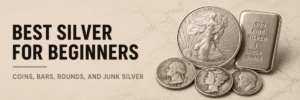
Learn the best silver for beginners, including silver coins, bars, rounds, and junk silver, so you can choose a first purchase with confidence.
Now that you understand more about precious metals, Veldt can help you take the next step. Buy gold and silver online, use supported cryptocurrencies at secure checkout, or contact us for local help choosing the right bullion for your goals.
|
Gold: 4,687.24 | Silver: 88.33 | Platinum: 2,172.52 | Palladium: 1,509.71
|