
How To Store Silver Coins And Bullion Safely
Learn how to store silver coins and bullion safely, including tips for handling, organizing, documenting, and protecting silver at home or in secure storage.
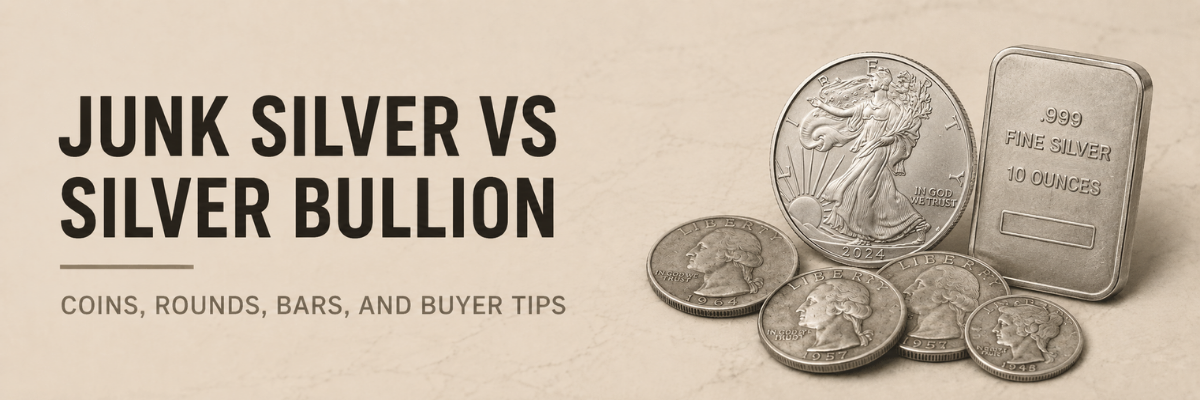
Junk silver refers to common older silver coins valued mainly for metal content, while silver bullion includes rounds, bars, and coins made primarily for precious metals ownership. Junk silver can be useful for fractional silver, while bullion may be easier to compare by weight, purity, and premium.
If you are learning about silver quarters, old dimes, or physical silver, you will eventually run into the comparison of junk silver vs silver bullion. Both can be useful ways to own silver, but they serve slightly different purposes. Junk silver usually refers to common older silver coins valued mostly for their metal content, while silver bullion usually refers to rounds, bars, and coins made primarily for precious metals ownership.
The right choice depends on your goals. Some buyers like junk silver because it is familiar, fractional, and tied to older U.S. coinage. Other buyers prefer silver bullion because it is often easier to compare by weight, purity, and premium. Many long-term silver buyers eventually hold both.
This guide explains the difference between junk silver and silver bullion, how premiums work, which option may be easier to resell, and how to decide what fits your silver strategy.
Junk silver is a common term for older circulated silver coins that are valued mainly for their silver content rather than rare collectible value. The word “junk” can sound negative, but it does not mean the coins are worthless. In fact, junk silver can be valuable because the coins contain real silver.
In the United States, common examples include pre-1965 silver dimes, quarters, and half dollars. Many of these coins were made with 90% silver, which means they can be worth more than their face value when silver prices are above ordinary coin value.
For example, a silver quarter may still say 25 cents, but its silver content can make it worth more than 25 cents. That difference between face value and metal value is one reason junk silver appeals to people who are new to precious metals.
Silver bullion refers to physical silver products valued primarily for their metal content. Common forms include silver rounds, silver bars, and government-minted silver coins. Bullion products usually display weight, purity, mint name, or other identifying marks that make them easier to compare.
Silver rounds look similar to coins but are usually made by private mints and do not carry legal tender face value. Silver bars are popular for efficient stacking and storage. Government silver coins, such as American Silver Eagles or Canadian Silver Maple Leafs, often carry higher recognition and stronger retail demand.
Silver bullion is often easier to understand by weight. A one-ounce silver round is usually one troy ounce of silver. A ten-ounce silver bar is usually ten troy ounces of silver. That clarity can make bullion attractive for buyers who want a straightforward way to accumulate silver.
The main difference is form. Junk silver is usually older circulating coinage that contains silver. Silver bullion is usually made specifically for investors, stackers, and precious metals buyers.
Junk silver may appeal to buyers who like recognizable U.S. coins, smaller fractional pieces, and the history of older silver money. Bullion may appeal to buyers who want clean weight, clear purity, and easier comparison between products.
Neither option is automatically better for everyone. A buyer focused on small fractional silver may prefer junk silver. A buyer focused on lowest cost per ounce may compare silver rounds or bars. A buyer focused on recognizability may prefer government bullion coins. The best choice depends on why you are buying silver in the first place.
Many buyers like junk silver because it is familiar. Older U.S. dimes, quarters, and half dollars feel less abstract than generic bullion products. People recognize the designs, understand the denominations, and often enjoy the connection to U.S. coinage history.
Junk silver is also fractional by nature. Instead of one large silver bar, you may own many smaller silver coins. That can make it easier to sell or trade smaller amounts without breaking up a larger bullion product.
Another advantage is recognizability. Common silver coins are widely understood in the coin and bullion market. While condition and date can still matter, many buyers and dealers know how to evaluate common 90% silver coins quickly.
Many buyers like silver bullion because it is simple to compare. Rounds, bars, and bullion coins usually state their weight and purity directly on the product. That makes it easier to understand how much silver you are buying and what premium you are paying over spot.
Silver bars can be especially useful for efficient storage. A stack of ten-ounce bars may be easier to organize than a loose bag of old coins. Larger bars may also offer lower premiums per ounce in some market conditions, although they can be less flexible when it is time to sell a small amount.
Silver rounds can be a good middle ground. They usually offer one-ounce simplicity and may carry lower premiums than many government coins. Government silver coins, meanwhile, often cost more but may offer stronger recognizability and broader retail demand.
When comparing junk silver vs silver bullion, do not focus only on the label. Premiums matter. A premium is the amount you pay above the silver’s melt value or spot-based value. Premiums can change based on supply, demand, product type, mint, market conditions, and dealer inventory.
Sometimes junk silver is attractive because it can be purchased at a reasonable premium. Other times, demand for junk silver rises and premiums increase. The same is true for silver rounds, bars, and government coins. No silver product is always the cheapest in every market.
A smart buyer compares the total price, silver content, and resale potential. You can use published precious metals price data as a general reference for the silver market, but remember that physical products almost always trade with premiums, spreads, and product-specific pricing.
Both junk silver and silver bullion can be easy to sell when they are recognizable and fairly priced. Common 90% silver coins are widely understood by coin shops and bullion dealers. Popular silver rounds, silver bars, and government coins are also commonly traded.
Junk silver may be easier to sell in smaller pieces because the coins are naturally fractional. However, it may require sorting, counting, or calculating face value. Silver bullion may be easier to price by weight and purity, especially when the product is from a recognized mint.
Condition can matter for junk silver if a coin has collectible potential. For ordinary circulated coins, the value may be mostly tied to silver content. For bullion, condition also matters, but the main focus is usually authenticity, weight, purity, and market demand.
Silver is bulky compared with gold, so storage matters. Junk silver can be convenient in small amounts, but larger quantities may become harder to organize if they are loose or mixed. Bags of old silver coins should be stored securely, clearly labeled, and protected from unnecessary handling.
Silver bars are often more efficient for storage because they stack neatly. Rounds can also be stored in tubes, making them easier to count and organize. Government coins may come in tubes or monster boxes, depending on quantity and packaging.
If your goal is long-term silver accumulation, organization matters as much as product choice. Keep records of what you bought, when you bought it, and how much you paid. This helps with resale decisions, insurance planning, and long-term tracking.
For beginners, silver bullion may be easier to understand because the weight and purity are usually marked clearly. A one-ounce silver round, for example, is simple. You know the weight, you can compare premiums, and you can learn how spot price affects the final product price.
Junk silver can also be beginner-friendly, especially if you are already familiar with U.S. coins. However, it requires learning more about silver dates, face value calculations, wear, and premiums. A beginner who enjoys coin history may like junk silver. A beginner who wants simple ounce accumulation may prefer rounds or bars.
A balanced approach can work well. Start with silver products you understand. Then compare options as you learn more. The goal is not to buy every type of silver. The goal is to buy recognizable products at fair premiums that match your reason for owning silver.
Junk silver may make sense if you want fractional silver in recognizable coin form. It can also appeal to buyers who like older U.S. coinage, want smaller pieces, or prefer silver with historical character.
It may also be useful when premiums are reasonable compared with other silver products. If junk silver is available at a fair price, it can be a practical way to add silver to your holdings without buying large bars or higher-premium government coins.
However, buyers should avoid assuming junk silver is always cheap. In some markets, junk silver premiums can become expensive. Always compare the cost to silver rounds, bars, and other bullion options before buying.
Silver bullion may make sense if you want straightforward silver ownership by weight. Rounds and bars are often easy to compare because they usually state weight and purity directly. This can make pricing more transparent for buyers who want to focus on ounces.
Silver bars may be useful for buyers who want efficient storage. Silver rounds may be useful for buyers who want one-ounce flexibility without paying higher government coin premiums. Government silver coins may be useful for buyers who value recognizability, liquidity, and official mint backing.
For many buyers, silver bullion is the cleaner path when the goal is planned accumulation. It keeps the focus on ounces, premiums, and resale options rather than date sorting or coin-by-coin evaluation.
The best choice between junk silver vs silver bullion depends on your goals. Junk silver can be useful for fractional silver, older U.S. coin recognition, and historical appeal. Silver bullion can be useful for clear weight, purity, storage, and easier ounce-by-ounce comparison.
Beginners should focus on recognizable products, fair premiums, and simple storage. If you already own old silver quarters, dimes, or half dollars, they may be worth keeping as part of your silver position. If you are buying new silver, compare junk silver with rounds, bars, and coins before deciding.
At Veldt, customers can buy silver, gold, platinum, and palladium online with secure checkout, including supported cryptocurrencies. Whether you prefer junk silver, silver bars, rounds, or coins, the most important step is understanding what you are buying and how it fits into your long-term plan.
Junk silver usually refers to common older silver coins valued mainly for metal content, while silver bullion includes rounds, bars, and coins made primarily for precious metals ownership.
No. The term junk silver does not mean the coins are worthless. It usually means the coins are common circulated silver coins valued mostly for their silver content rather than rare collectible value.
Junk silver may be better for buyers who want fractional silver in recognizable coin form, while silver bars may be better for buyers who want efficient storage and simple weight-based pricing.
Silver bullion can be easier for beginners because rounds and bars usually show weight and purity clearly. However, junk silver can also be beginner-friendly for buyers who enjoy older U.S. coins.
The best choice depends on your goals. Junk silver can offer fractional silver and historical appeal, while silver bullion may be easier to compare by weight, purity, premium, and storage needs.
Learn how to store silver coins and bullion safely, including tips for handling, organizing, documenting, and protecting silver at home or in secure storage.
Compare silver bars and silver coins so you can understand premiums, storage, resale, liquidity, and which silver option may fit your buying goals.
Learn the difference between silver coins and silver rounds, including legal tender status, premiums, recognizability, resale, and which option may fit your silver buying goals.
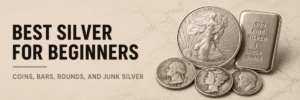
Learn the best silver for beginners, including silver coins, bars, rounds, and junk silver, so you can choose a first purchase with confidence.
Now that you understand more about precious metals, Veldt can help you take the next step. Buy gold and silver online, use supported cryptocurrencies at secure checkout, or contact us for local help choosing the right bullion for your goals.
|
Gold: 4,673.39 | Silver: 86.78 | Platinum: 2,133.72 | Palladium: 1,487.49
|